
Switzerland, renowned for its quality of life and prosperous economy, is a true cultural crossroads where talents from all over the world converge. This cultural richness, in addition to energizing the job market, opens up unprecedented innovation opportunities for companies. However, managing a multicultural team requires a specific approach, as it can also bring its share of challenges: varied communication styles, different expectations regarding collaboration, and diverse ways of approaching work. To fully benefit from this diversity, it is essential to implement strategies that promote inclusion, encourage effective communication, and allow adaptation to each individual’s working methods.

In this article, we explore the best practices for managing a multicultural team in Switzerland. We will discuss practical tips for harmonizing differences, strengthening team cohesion, and making cultural diversity a real growth lever for your company.
Understanding the Specifics of Managing a Multicultural Team
Managing a multicultural team in Switzerland relies on a deep understanding of the cultural, linguistic differences, and work habits of each represented nationality. With its four national languages – German, French, Italian, and Romansh – and a diversity of values depending on the cantons, Switzerland embodies a unique cultural richness. Here, cultural differences are not limited to distinctions between expatriates and locals, but also manifest within the Swiss regions themselves. For a manager to effectively lead a team in this context, it is essential to be open to cultural specifics and adopt suitable management practices.
Develop an intercultural understanding
For successful multicultural team management, the first step is to encourage intercultural understanding. This can be achieved through intercultural management training or by organizing workshops aimed at raising awareness among all team members about cultural differences. Through these initiatives, everyone can better understand the values, norms, and communication styles of their colleagues, reducing the risk of misunderstandings and tensions. For example, some cultures value a well-defined hierarchy, while others prefer more direct and egalitarian communication. In Switzerland, a manager who knows how to adapt their communication style according to these preferences creates a more harmonious and inclusive work environment, where everyone feels understood and respected.
Promote inclusion and equity within the team
In a multicultural environment, inclusion is essential for each member to feel valued and motivated. Promoting inclusion involves recognizing the needs and sensitivities of everyone, ensuring that every voice is heard. For example, in Switzerland, where cultural backgrounds are diverse, it is wise to consider holidays or customs specific to certain cultures, beyond national holidays. This recognition of cultural particularities helps establish a climate of mutual respect and trust, where each team member can express their ideas and work without fear of judgment or discrimination. An inclusive environment not only fosters better team cohesion but also values the unique contributions that each culture can bring to the company’s success.
Encourage transparent and respectful communication
Communication is essential for any team, but it becomes crucial in a multicultural context. In Switzerland, where communication styles range from discretion to precision, it is fundamental to promote clear, respectful, and adaptable communication to ensure team cohesion. To effectively manage a team from diverse backgrounds, a manager must be able to navigate these styles and adopt inclusive communication practices.
Adapt your communication style
In a multicultural team, each member brings a communication style unique to their culture: some cultures favor direct communication while others adopt a more implicit or even formal approach. To minimize misunderstandings, a manager in Switzerland must know how to adjust to each person’s preferences. For example, team members from cultures that value hierarchy may prefer a structured setting where their opinions are solicited, while others may favor a more spontaneous and informal dialogue. In this context, organizing regular meetings where everyone is encouraged to speak freely helps create an atmosphere of trust and fairness. An attentive manager will ensure that each team member, especially those for whom spontaneous speaking is less common, has the opportunity to express themselves and contribute.
Use appropriate communication tools
In a team where some members may be remote or teleworking, communication tools become essential to maintain work consistency and responsiveness. In Switzerland, where rigor and precision are valued, project management tools, instant messaging, and video conferencing provide valuable structure. These tools not only allow for planning and tracking tasks in real-time but also centralize information so that each member can access documents and exchanges without the risk of information loss. By using a shared platform accessible to everyone, managers ensure smooth and unified communication, even for remote collaborators. This makes interactions more transparent, fostering a climate of trust and effective collaboration within the multicultural team.

Promote professional development and intercultural training
To effectively manage a multicultural team in Switzerland, it is crucial to promote professional development and continuous training. Switzerland places particular importance on lifelong learning, a practice that proves equally relevant in managing teams from diverse backgrounds. Encouraging team members to deepen their skills while providing them with tools to better understand their colleagues’ cultures helps create a harmonious and inclusive work environment.
Forming the team for intercultural collaboration
Intercultural collaboration is an essential pillar for a diverse team, and organizing intercultural collaboration training is a key step to enhance its effectiveness. These training sessions allow employees to become aware of the different values, communication styles, and perspectives of their colleagues from various cultural backgrounds. By understanding these differences, team members develop skills to avoid misunderstandings and improve their daily communication. For example, some team members may value formal and structured exchanges, while others prefer a more informal and spontaneous setting. By understanding these nuances, the team can operate more smoothly, relying on mutual respect and a greater appreciation of cultural diversity.
Implement a development plan for each team member
An individualized development plan for each employee demonstrates how much the company values its staff, taking into account their career goals and the skills they wish to acquire. In a multicultural team, this approach is even more valuable for retaining talent and encouraging everyone’s engagement. By offering tailored development paths, Swiss companies enable their employees to achieve their aspirations while actively contributing to the team.
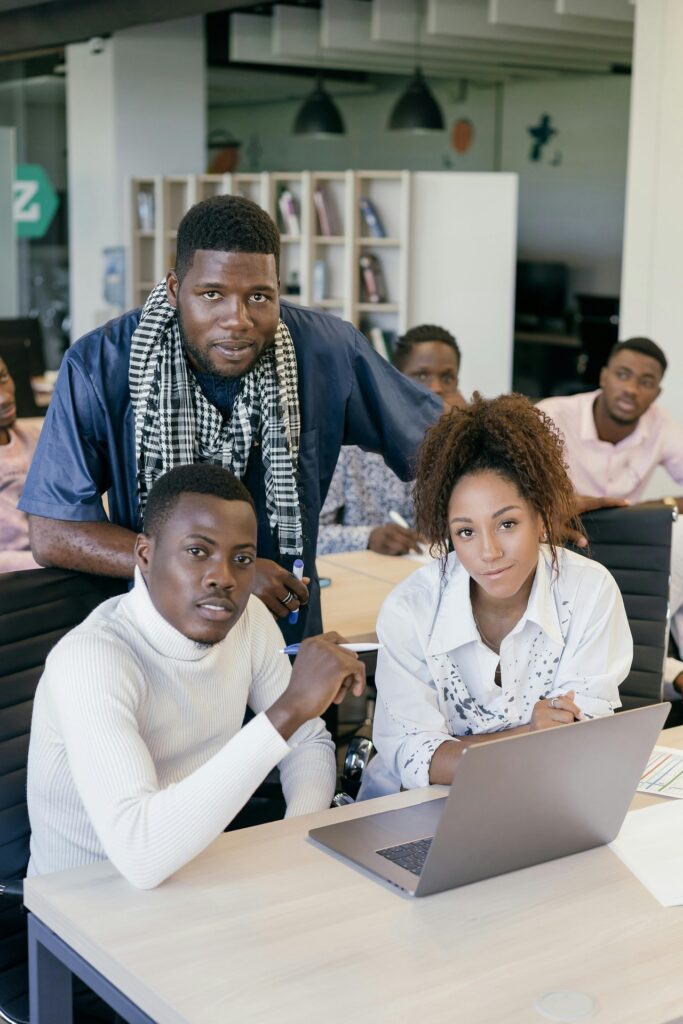
These development plans may include specific training, mentoring opportunities, or workshops focused on acquiring cross-functional skills such as intercultural leadership and collaborative communication. Paying special attention to each team member’s growth fosters a climate of trust and encourages every team member to fully contribute to collective success.
Manage conflicts constructively
In a multicultural team, cultural differences can sometimes lead to misunderstandings or tensions. As a manager in Switzerland, it’s crucial to identify and manage these conflicts proactively to maintain a positive and productive work environment. Rather than avoiding conflicts, it’s better to address them with a constructive approach, creating opportunities for dialogue and encouraging mutual understanding. Skillful management of tensions can even strengthen team cohesion and foster innovation.
Encourage active listening and open dialogue
Active listening is an essential skill for managing a multicultural team. It helps identify the true sources of conflict and understand everyone’s perspectives. In Switzerland, where neutrality and respect for others are highly valued, it is fundamental to encourage an open dialogue among team members without taking sides. Providing a space where everyone feels free to express themselves helps defuse tensions and find solutions that work for everyone. Active listening, combined with patience, allows team members to feel heard and respected, which is crucial in managing a diverse team.
Resolve conflicts while respecting cultural values
Cultural differences can also influence how conflicts are perceived and resolved. Some cultures prefer an indirect and diplomatic approach, while others value frankness and direct confrontation. As a manager, it is important to respect these sensitivities and adapt your approach accordingly. For example, in a multicultural team, it might be necessary to encourage those who hesitate to speak openly to share their views, while moderating those who tend to be more direct, in order to maintain balance and mutual respect.

Conclusion
Managing a multicultural team in Switzerland offers extraordinary opportunities for innovation and growth, but it also presents challenges that require thoughtful and adaptive management. By developing intercultural understanding, encouraging transparent communication, fostering professional development, and learning to manage conflicts constructively, managers can create an environment where everyone feels respected and valued. A well-managed team that leverages its cultural diversity is more resilient, more creative, and better equipped to tackle the complex challenges of the business world. Ultimately, knowing how to navigate these cultural differences strengthens team cohesion and enhances the overall performance of the company.
Questions – Answers
Managing a multicultural team in Switzerland allows you to leverage diversity for innovation, while ensuring that each member feels included and valued. This also enhances the overall performance of the team by combining different perspectives.
Encourage regular meetings, use appropriate communication tools (such as instant messaging or video conferencing platforms), and adapt your communication style to each culture to maintain smooth communication.
Intercultural training helps team members better understand their colleagues from different cultures and avoid misunderstandings, while enhancing team cohesion and productivity.
Adapting one’s management style allows for respecting the cultural sensitivities of each team member. This creates a more harmonious and productive work environment where every team member feels understood and respected.
Inclusion fosters motivation, collaboration, and engagement of each team member, which enhances overall performance by stimulating creativity and innovation.
Videoconferencing platforms (like Zoom or Microsoft Teams), instant messaging (like Slack), and project management tools (like Trello) are essential for maintaining smooth and well-organized communication in a multicultural team.
Conflicts should be managed by adopting active listening and promoting open dialogue, while considering each individual’s cultural values to achieve a respectful and fair resolution.
Yes, regular training sessions on intercultural collaboration are crucial for maintaining mutual understanding and facilitating interactions among members from diverse cultures.
The main challenges include linguistic differences, cultural differences, and different communication styles that can lead to misunderstandings. Managing these challenges requires intercultural sensitivity and adapted communication strategies.
Diversity encourages innovation, enhances creativity, and provides varied perspectives for solving complex problems, which strengthens the company’s competitiveness and adaptability in the global market.


