
Switzerland attracts many business leaders thanks to its attractive tax environment and economic stability. But beyond its advantages, it is crucial to fully understand the rules for filing taxes and staying compliant with the Swiss tax system. Whether you are an experienced entrepreneur or have just started your company, tax filing and payment in Switzerland require diligence and a good understanding of the procedures. Between income declaration, social contributions, and various tax deductions, it is essential to follow the appropriate steps to optimize your tax burden while avoiding costly mistakes.
In this article, we outline the main steps to declare and pay your taxes as a business leader in Switzerland. You will also find practical tips for better managing your taxation, to balance compliance and tax optimization. With this information, you can navigate the Swiss tax framework smoothly and focus your efforts on developing your business.

Understanding the Taxation of Business Leaders in Switzerland
The taxation of business leaders in Switzerland differs from that of employees due to the duality of their income. As a leader, you must manage both the personal income tax and the corporate profit tax of your company. Understanding these two types of income and their taxation is essential to ensure a compliant tax return and optimize your tax burden.
Income tax for business leaders
In Switzerland, the leader must declare all personal income from their activity, including the leader’s salary, dividends, and any other ancillary income. The income tax is levied at three levels: federal, cantonal, and communal. This means that tax rates can vary depending on the geographical location of your tax domicile. For example, a leader domiciled in Zug may benefit from a lower tax rate compared to a leader based in Geneva, due to differences in cantonal and communal rates.
The income declaration is generally carried out at the beginning of the year for the previous fiscal year. Each executive must submit their tax declaration to the competent cantonal authorities. It is essential to include all taxable income, whether it comes from dividends, bonuses, or income related to investments. Accuracy is crucial to avoid tax adjustments or fines.
To lighten the taxable base, several tax deductions are possible. This includes professional expenses such as travel expenses, social contributions for retirement and health insurance, as well as certain expenses related to the exercise of executive activities. These deductions can significantly reduce the final amount of your income tax, making tax planning crucial for optimizing your finances.
Corporate income tax
In parallel with the income tax, your company must also pay the corporate tax. This tax is calculated on the net profits made by the company after deducting all operating expenses, depreciation, and provisions. The tax rate on profits varies from one canton to another, which influences the total amount of tax to be paid. In Switzerland, the overall rates combining federal, cantonal, and municipal taxes can range from 11.9% to 21%, depending on the company’s location.
It is important to clearly separate the personal income of the executive from the company’s profits. This ensures transparency and avoids any confusion during the tax declaration. The dividends that the company pays to its executive are taxed separately. In some cases, they may benefit from reduced rates, especially when the executive holds a significant stake in the company.
Optimizing the management of corporate tax often requires the involvement of a tax advisor. This professional can analyze the company’s financial situation, identify possible deductions, and help you comply with tax obligations while reducing the total amount of taxes. For instance, they can advise you on the best compensation strategies, balancing salary and dividends to minimize the overall tax burden.
The management of executive taxation and businesses in Switzerland involves a deep understanding of taxation mechanisms. By mastering the rules concerning personal income tax and corporate tax, and benefiting from the expertise of a tax advisor, executives can optimize their situation and ensure compliance with their tax return. This not only reduces tax costs but also guarantees a healthy and sustainable management of the business.
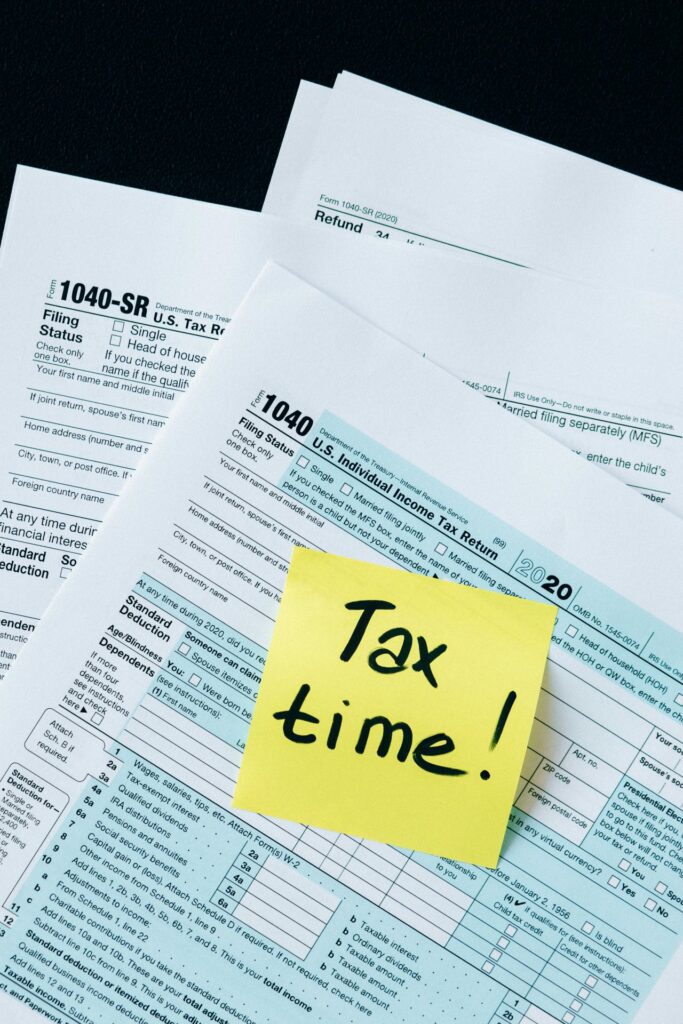
Steps for Filing Taxes as a Business Leader in Switzerland
The tax declaration in Switzerland is a process that requires precision and good preparation to meet the legal requirements and imposed deadlines. For business leaders, it is essential to follow several key steps to ensure compliance with their declaration. Here are the main steps to follow to successfully complete your tax declaration in Switzerland and optimize your tax burden.
Prepare the necessary documents for the declaration
The first step to filing your taxes is to gather all relevant tax documents. It is essential to have all the supporting documents to ensure that the tax return is complete and compliant with the expectations of the Swiss tax authorities.
Among the documents to gather, you will find:
- Pay slips: these detail the personal income received by the executive for their activity within the company.
- The bank statements: they help justify the income received as well as the expenses incurred during the fiscal year.
- Dividend statements: If you receive dividends from your own company, it is crucial to declare them transparently.
- The social security contribution statements: they certify the contributions paid for retirement insurance, health insurance, and other mandatory contributions.
- The annual accounts of the company: for corporate executives, it is essential to provide the balance sheets and income statement, which reflect the financial health of the company.
These financial documents must be carefully kept, as they may be requested by the tax authorities in the event of a tax audit. A meticulous preparation helps facilitate the filing process and reduces the risk of errors, which is crucial to avoid tax penalties.
Submit your tax return to the cantonal authorities
Once the tax documents are ready, the next step is to submit the tax return to the competent cantonal authorities. In Switzerland, each canton has its own rules regarding taxation and sets its own tax calendar. Therefore, it is essential to find out the specific filing dates for your canton to avoid late penalties.
The tax declaration can generally be completed online via the tax portal of each canton, a method that greatly simplifies the process and saves time for executives. When submitting your declaration, it is important to clearly distinguish between different sources of taxable income, declaring personal income, such as salaries, separately from dividends from the business. This distinction helps avoid misunderstandings with the tax authorities and ensures proper taxation.
For executives who receive dividends, it is also important to consider the specific tax treatment of these incomes. In certain situations, dividends may benefit from reduced tax rates, which can lower the overall tax burden. However, this requires precise and complete reporting to be eligible for these benefits.

Anticipate installment payments and deposits
The payment of taxes in Switzerland does not necessarily have to be made in one go. It is possible to make installment payments through quarterly advances. This system allows the tax burden to be spread over the entire year, making the payment of taxes more manageable and reducing the risk of pressure on the company’s cash flow.
The tax authorities calculate the installments based on the declared income from the previous year. However, if your income or your business profits have changed significantly, it is possible to request a revision of the installments. This allows for adjusting the amount to be paid according to the actual situation of the business and avoids paying an excessive amount that could impact the cash flow.
Anticipating and planning these payments is essential to avoid financial difficulties at the end of the year. For leaders with variable income, effective management of installments is particularly useful for better cash flow control. It is also recommended to consult a tax advisor to determine the best payment strategy and adjust installments based on the financial forecasts for the current year.
Optimize tax payment as a business leader
Benefit from tax deductions for executives
To lighten your tax burden, it is essential to be well-informed about the tax deductions you can claim as a business leader in Switzerland. Various types of expenses can be deducted from your taxable income, allowing you to reduce the amount of income tax you will have to pay. The tax deductions for business leaders in Switzerland include various benefits such as professional expenses and pension contributions, effectively reducing the taxable base. Among the most common deductions are:
- Professional expenses: These expenses include travel expenses, meal costs, as well as representation expenses related to your role as a manager. They can be deducted, provided they are justified and directly related to the company’s activity.
- Provident contributions: In Switzerland, contributions to provident funds (such as the 2nd pillar LPP or the tied 3rd pillar) can be deducted from your taxable base. These social contributions relate to retirement, old-age provision, or supplementary health insurance.
- Management and advisory fees: Expenses related to hiring a tax advisor or a specialized lawyer can also be deducted if they are directly related to the tax management of your business or to tax planning.
These deductions are an opportunity not to be overlooked for any leader looking to optimize their taxation. They not only allow for a reduction in the final amount of income tax but also enable reinvestment of the savings into the development of your business.
Get assistance from a tax advisor
Faced with the complexity of the Swiss tax system, consulting a tax advisor is often a wise decision for business leaders. A tax expert has an in-depth knowledge of Swiss regulations and can assist you at every stage of your tax declaration. They can notably:
- Analyze your tax situation and identify the tax deductions specific to your activity.
- Advise you on the optimal distribution between salary and dividends to reduce your tax burden while complying with the law.
- Help you plan installments and quarterly payments to avoid surprises and ensure smooth cash flow management.
- Represent you before the tax authorities in case of a tax audit or inquiries about your tax return.
The support of a tax advisor ensures the secure management of your tax obligations while making sure you don’t miss any optimization opportunities. It’s an investment that can prove profitable in the long term by reducing the risks of tax penalties and maximizing tax savings.
Hevea Invest’s support for smooth tax management
Navigating the Swiss tax system can be a challenge for many business leaders, especially when it comes to filing taxes or managing their company’s tax obligations. This is where Hevea Invest steps in, offering tailored support to help leaders optimize their taxation and comply with legal requirements.
Personalized support for every step of the tax declaration process
Hevea Invest understands the challenges that tax management presents for entrepreneurs. We offer our expertise to simplify the tax filing process, helping you gather the necessary documents, structure your income efficiently, and optimize tax deductions. With diligent support, our clients can focus on growing their business, confident that their tax situation is managed optimally.
Optimize taxation for sustainable results
Our goal is to enable leaders to fully benefit from the tax advantages offered by Switzerland. We analyze the specifics of each canton to advise you on the most suitable choice for your domiciliation and help you take advantage of double taxation agreements to reduce your tax burden. Whether for long-term tax planning or for occasional adjustments, we are here to guide you and provide personalized solutions.
The double taxation agreements in Switzerland allow business leaders to reduce their tax burden when they reside in a country that has an agreement with Switzerland, providing substantial tax benefits for international companies.
With Hevea Invest by your side, you benefit from a trusted partner to secure the management of your taxation and ensure the sustainability of your business in Switzerland.

Conclusion
The declaration and payment of taxes as a business leader in Switzerland can be complex processes, but with a good understanding of the tax rules and appropriate guidance, it is possible to manage them calmly and efficiently. Knowing the available tax deductions and surrounding yourself with competent tax advisors will allow you to optimize your tax burden while complying with Swiss regulations.
By following best practices for preparing your tax return and carefully planning your tax payments, you can focus your efforts on growing your business with peace of mind. Taking advantage of the tax benefits offered by the Swiss system is not just about compliance, but also an opportunity to strengthen your company’s financial health and prepare its future with confidence.
Questions – Answers
The Swiss tax system for business leaders involves declaring personal income as well as the profits generated by the company. This taxation occurs at three levels: federal, cantonal, and communal, meaning that tax rates can vary depending on the place of residence and the company’s headquarters.
For a complete tax return, it is necessary to gather several tax documents: pay slips, dividend statements, bank statements, as well as the company’s annual accounts. These elements help justify the income received and accurately calculate the tax owed.
Taxes in Switzerland can be settled through quarterly installments, allowing the tax burden to be spread throughout the year. This system is advantageous for executives whose income varies from year to year. In case of a change in circumstances, it is possible to request an adjustment of the installments to avoid overpayment.
Business leaders can benefit from tax deductions to lighten their tax burden. Among the main ones are professional expenses (travel, business meals), social contributions (health insurance, retirement planning), and contributions to provident funds like the 3rd pillar. These deductions allow for a reduction in the taxable base and thus decrease the final amount of income tax.
The income tax concerns the personal income of the executive, such as their salary and dividends received, while the corporate tax applies to the profits generated by the company. Each tax has its own calculation and reporting rules, requiring careful management to avoid errors.
Yes, the dividends received by an executive are considered taxable income. Therefore, they must be included in the tax return to comply with the requirements of the Swiss authorities. Dividends may benefit from a reduced rate if the executive holds a significant stake in the company.
The deadlines for submitting the tax return vary depending on the canton of residence. It is crucial to check the specific deadlines for your canton to avoid late penalties. If necessary, an extension can be requested from the tax authorities.
Yes, the double taxation agreements signed by Switzerland with many countries allow for the reduction of double taxation on income earned abroad. These agreements provide tax credits or exemptions to avoid paying taxes in two countries on the same income.
To optimize your taxes, it is important to know the available tax deductions, properly structure your income, and choose the canton offering the most advantageous tax conditions. Additionally, good planning of dividends and careful monitoring of installment payments can help reduce the tax burden.
Although it is not mandatory, consulting a tax advisor is highly recommended for business leaders. An expert can help you maximize your tax deductions, structure your income optimally, and ensure your declaration complies with Swiss regulations. This minimizes the risk of errors and allows you to benefit from the best tax strategies for your situation.


