
Domiciliation represents a key step for any company wishing to establish itself in Switzerland. This process allows for the definition of an official address for the company’s activities and ensures its recognition by Swiss authorities. However, it is important to distinguish between commercial domiciliation and fiscal domiciliation, two concepts often confused but serving very distinct purposes.
The commercial domicile refers to the place where the company physically conducts its activities, receives its clients, and possibly stores its goods. It is the address registered with the trade register and the one that appears on official documents and correspondence. This address can influence the company’s image and its proximity to a local business network.
In parallel, the tax domicile determines where the company is subject to taxation. In Switzerland, companies can choose their tax domicile to benefit from the advantageous tax conditions of certain cantons, directly influencing the amount of corporate income tax they will have to pay. This distinction between the place of activity and the place of taxation offers valuable flexibility for companies seeking to optimize their tax situation.
In this article, we will delve into the specifics of these two types of domiciliation, their respective importance for businesses, and how they impact daily management and tax strategy in Switzerland. Whether you are an SME seeking local visibility or a large company looking to reduce your tax burden, understanding these differences will allow you to make the most suitable choices for your objectives.
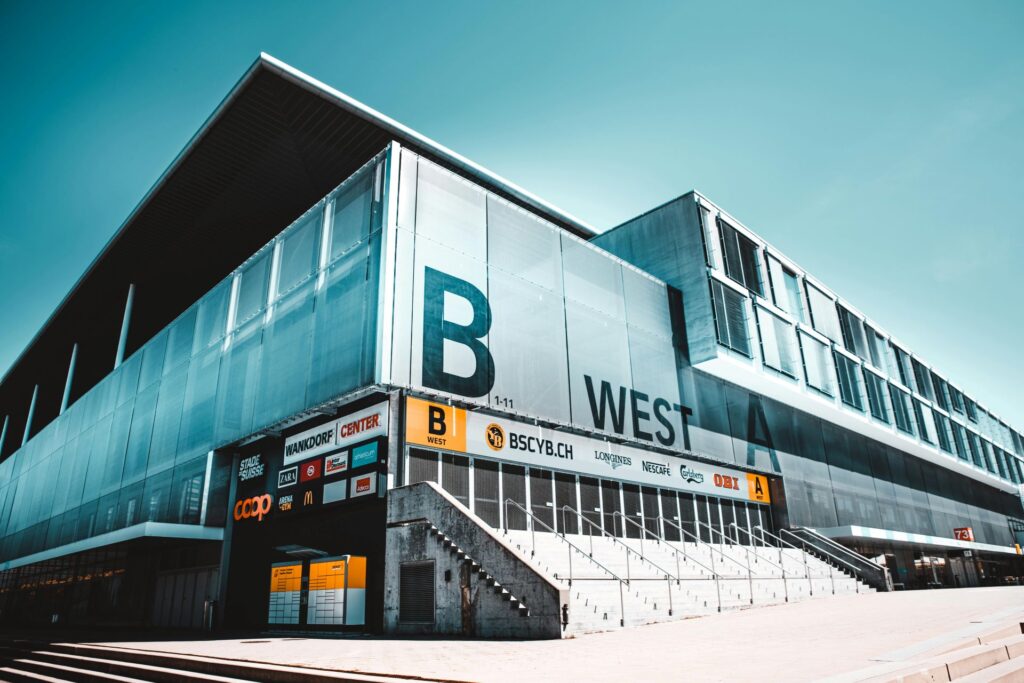
What is commercial domiciliation in Switzerland?
The commercial domicile refers to the official physical address of a company, meaning the place where it conducts its daily activities. This address can correspond to the company’s head office, an agency, or a branch. The commercial domicile is a legal address registered with the commercial register, granting it official status with Swiss authorities. It is at this address that the company receives its administrative mail, clients, and partners, and asserts its presence on Swiss territory.
The address of commercial domiciliation can play a key role in the company’s development strategy, particularly in terms of visibility and reputation. Indeed, establishing in strategic cities like Geneva, Zurich, or Basel can facilitate access to influential business networks and offer increased credibility in the eyes of clients and partners.
The importance of commercial domiciliation
Commercial domiciliation is a key factor for a company’s visibility in the Swiss market. Having an address in a renowned city can be a real asset for a company looking to enhance its brand image and position itself in a dynamic economic environment. For example, an address in Geneva can boost a company’s credibility in the financial sector, while a presence in Zurich can be advantageous for tech companies.
This domiciliation is also an essential condition for registration in the Swiss commercial register. Any company wishing to conduct business in Switzerland must have a business address and register with the competent cantonal office. This process formalizes the company’s existence in the territory and allows it to operate legally.
The options for establishing a commercial address are varied. Some companies choose to rent offices to benefit from a dedicated workspace, while others prefer more flexible solutions, such as coworking spaces or address services from specialized providers. These providers offer practical services, such as mail handling, visitor reception, and sometimes even access to meeting rooms. These solutions are particularly appreciated by small businesses and startups, which can thus benefit from a prestigious address without incurring the high costs of a traditional commercial lease.
The commercial domiciliation is therefore much more than a simple administrative formality. It allows a company to benefit from a strong local presence, strengthen its network, and ensure direct contact with its clients. For businesses looking to establish themselves in Switzerland, choosing the right commercial domiciliation address can make a difference in terms of visibility and business development.

What is tax domicile in Switzerland?
The fiscal domicile corresponds to the address where the company is legally required to pay its taxes. Unlike the commercial domicile, which concerns the physical address of the company, the fiscal domicile determines the place for income declaration and the payment of the company’s taxes. In Switzerland, corporate taxation is organized on three levels: federal, cantonal, and communal. This means that each canton and commune applies its own tax rules, in addition to the federal tax.
The tax domicile of the company is therefore a key element in calculating the amount of corporate income tax. This choice directly influences the company’s tax burden and can significantly impact its profitability. By establishing their headquarters in a canton with favorable taxation, companies can benefit from lower tax rates, which is an asset for optimizing their financial management.
The impact of tax domicile on taxation
The choice of tax domicile is a strategic decision for companies, as it can greatly influence their tax burden. In Switzerland, each canton applies its own corporate tax rates, creating a very diverse tax landscape. For example, the cantons of Zug or Schwyz are known for their attractive tax rates, with overall rates (federal, cantonal, and communal) that can go down to around 11.9%. These cantons attract many international companies seeking competitive taxation.
Other cantons, like Geneva, offer a dynamic economic environment and privileged access to an international network, but have slightly higher tax rates. However, for some companies, the benefits in terms of proximity to major financial institutions and visibility in the Swiss market can offset this tax rate difference.
The choice of canton for tax domicile should therefore be guided by a precise analysis of tax advantages and the strategic needs of the company. It is recommended to consult with specialized tax advisors to evaluate the different options and choose the location best suited to the company’s situation.
Tax domicile and double taxation agreements
The tax domicile in Switzerland offers another major advantage: the possibility of benefiting from double taxation agreements signed between Switzerland and many countries. These agreements aim to prevent the double taxation of income for companies with international activities. In practical terms, this means that a company with a tax domicile in Switzerland can avoid being taxed both in Switzerland and in the country where it generates income.
These agreements greatly facilitate international trade and are particularly advantageous for companies looking to establish subsidiaries or expand activities abroad. They help secure investments and reduce the overall tax burden of the company by benefiting from tax credits on income earned abroad.
By choosing Switzerland as a place of tax domicile, companies benefit not only from advantageous tax rates but also from a tax framework favorable to international activities. This makes it a preferred destination for companies looking to expand beyond borders while optimizing their taxation.

The main differences between commercial domiciliation and tax domiciliation
Although commercial domiciliation and tax domiciliation can sometimes overlap, they address different needs for a business. Understanding their differences allows for better exploitation of their respective advantages for the management and development of a company.
Place of activity vs. Place of taxation
The commercial domiciliation is primarily related to the company’s daily activities. It corresponds to the physical address where the company conducts its operations: it receives clients, manages its inventory, and sets up its offices there. This address appears on commercial documents such as invoices, quotes, and contracts. It is also the address registered with the commercial register. A well-located business address, for example in Zurich or Geneva, can enhance the company’s market presence and facilitate relationships with local business partners.
Tax domicile, on the other hand, refers to the location where the company is subject to taxation. This address determines the competent tax authorities and the tax rates applied to the company’s profits. Tax domicile defines the canton where tax returns must be filed and where taxes must be paid. This can significantly impact the company’s tax burden. For example, a company may have a business address in Geneva but choose to set its tax domicile in a canton like Zug, known for its lower tax rates.
Thus, a company looking to optimize its taxation can choose to separate its commercial domicile and tax domicile in Switzerland, while complying with local rules to justify this distribution.
Flexibility in choosing tax domicile
In Switzerland, the regulations offer some flexibility in choosing the tax domicile. A company can, under certain conditions, choose to tax domicile its activities in a different canton from where it has its business address. However, this tax domicile must be based on a real economic presence in the chosen canton. This means that a company must conduct a minimum of economic activities there, such as holding board meetings, housing part of the management, or having administrative offices.
This flexibility allows companies to select their tax domicile based on the tax regimes offered by Swiss cantons, which vary significantly. For example, cantons such as Zug, Lucerne, or Schwyz offer lower tax rates, making a tax domicile in these regions particularly advantageous. This strategic choice contributes to the optimization of tax costs and enhances the company’s competitiveness in the long term.
The benefits of optimized domiciliation for businesses
Opting for an optimized domiciliation in Switzerland can offer numerous advantages to companies, both fiscally and commercially. These benefits range from reducing tax costs to enhancing the company’s market perception.
Reduce the company’s tax burden
One of the main advantages of a well-thought-out tax domicile is the reduction of the tax burden. By choosing to establish in a canton with attractive tax rates, a company can save on profit taxes. This allows for the release of funds that can be reinvested in strategic projects such as business development, research and development (R&D) projects, or even recruiting key talents to strengthen teams.
Switzerland, with its decentralized tax system, encourages competition between cantons to attract businesses to their regions. A company that takes the time to compare the tax offers of each canton can thus benefit from these differences and optimize its domiciliation strategy. Moreover, the double taxation regime that Switzerland enjoys with many countries helps avoid multiple taxation on international income, which can be a significant advantage for exporting companies.
Enhance the company’s credibility and image
A well-chosen commercial address can also play a crucial role in the company’s brand image. An address located in a prestigious city like Geneva, Zurich, or Basel can help enhance the company’s credibility in the eyes of its clients, partners, and investors. These cities are often perceived as dynamic business hubs and enjoy an international reputation. For a company, displaying an address in one of these centers can be a sign of seriousness and stability.
In addition to the image, having a commercial address in a major Swiss city allows you to benefit from top-tier business networks and professional events. Trade shows, forums, and networking events organized in Geneva or Zurich, for example, are opportunities to develop strategic partnerships and increase the company’s visibility in the Swiss and international markets. This facilitates the company’s integration into the local ecosystem and contributes to its long-term development.
In summary, an optimized domiciliation offers a combination of tax benefits and business visibility, making it a strategic lever for companies looking to establish themselves in Switzerland or strengthen their positioning in this attractive market.
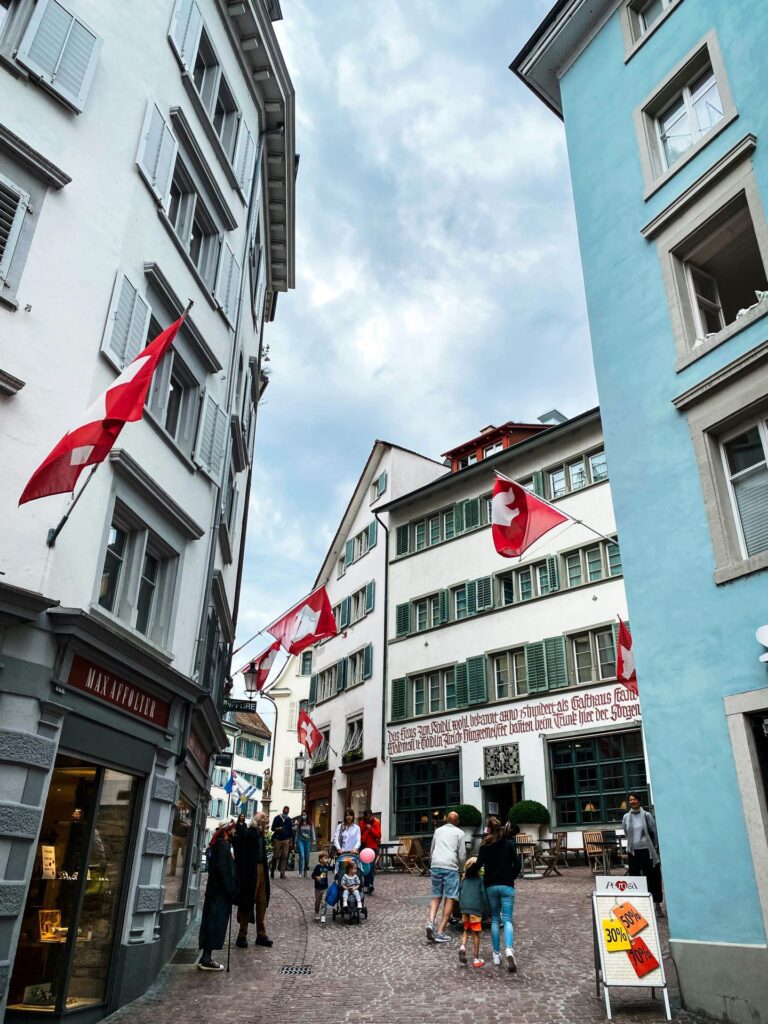
Hevea Invest: a partner for successful domiciliation in Switzerland
A tailored support for your commercial and tax domiciliation
When companies seek to establish themselves in Switzerland, the issue of commercial domiciliation and tax domiciliation can seem complex. This is where Hevea Invest steps in, offering personalized support to help entrepreneurs make the best choices based on their objectives. With a thorough understanding of the specificities of each canton, Hevea Invest guides leaders in selecting the ideal address for their headquarters, taking into account not only the tax advantages but also the strategic aspects related to the company’s visibility and development.
Expertise to optimize your establishment in Switzerland
The Hevea Invest team understands the importance of mastering the nuances between commercial domiciliation and tax domiciliation to ensure a successful establishment. Whether it’s helping to choose a business address in a dynamic city like Zurich or Geneva, or defining an advantageous tax domiciliation in a canton with competitive rates like Zug, Hevea Invest ensures that every decision aligns with the company’s growth objectives. Thanks to its expertise, Hevea Invest enables entrepreneurs to focus on developing their business, with the assurance that administrative and tax aspects are managed optimally.
A partner to navigate Swiss regulations
Switzerland, with its complex legal structure and cantonal diversity, requires a tailored approach for each business. Hevea Invest offers advice tailored to the specific needs of each client, whether for registration in the commercial register, managing domiciliation formalities, or interacting with cantonal and federal tax authorities. By working alongside Hevea Invest, companies benefit from a reliable and experienced partner, capable of guiding them at every stage of their establishment and development in Switzerland.
With Hevea Invest, domiciliation in Switzerland becomes a simplified, transparent, and above all, strategic process, allowing companies to focus on what matters most: their growth and success in the Swiss market.
Conclusion
The distinction between commercial domiciliation and fiscal domiciliation is essential for companies looking to establish themselves in Switzerland or optimize their management. While the former is related to the physical presence of the company in the territory, the latter concerns where its income is declared and taxed. An optimized domiciliation strategy not only meets Swiss legal requirements but also takes advantage of the tax benefits offered by the cantons, while enhancing the company’s image with a prestigious address.
By carefully choosing the location of their tax domicile and ensuring the required economic presence in the chosen canton, companies can reduce their tax burden while maintaining strong commercial visibility. Similarly, domiciling in a major city can help strengthen the company’s credibility with its partners and clients.
However, to successfully navigate these strategic choices, it is often wise to call upon local experts. These professionals can provide personalized advice to choose the best combination of domiciliation and thus secure the company’s development in the Swiss market. Switzerland, thanks to its economic stability and tax incentives, continues to assert itself as a destination of choice for entrepreneurs seeking growth and long-term success.
Questions – Answers
The commercial address corresponds to the physical location where the company conducts its activities and receives its clients, partners, or mail. In contrast, the tax address determines the location where the company is subject to taxation on its profits. This distinction is important because the choice of tax address can influence the amount of taxes to be paid.
Yes, it is possible for a company to choose a commercial domicile in one canton and file taxes in another. This can be strategic to benefit from the tax advantages of one canton while having a commercial presence in a more economically dynamic region. However, the company must justify a sufficient economic presence in the canton where it chooses its tax domicile.
Tax domicile is essential because it allows the company to benefit from the tax rates offered by the canton where it is registered for tax purposes. Additionally, in Switzerland, tax domicile is crucial for taking advantage of the double taxation agreements that the country has signed with many other states. These agreements help avoid double taxation of income and facilitate international trade.
To establish a commercial domiciliation, it is necessary to provide the company’s articles of association, a registered office address, and register with the commercial register of the relevant canton. This registration is essential to formalize the company’s presence in Switzerland and to receive administrative mail.
Yes, a company can change its tax domicile by moving to a different canton, provided it meets the economic presence requirements in the new chosen canton. This can be relevant if a company wants to take advantage of more favorable tax conditions in another canton.
Geneva is a city of international renown, which provides a company with great visibility and easy access to international business networks. Additionally, its proximity to many international organizations can be a major asset for businesses looking to expand their operations globally.
Zug is famous for its low corporate tax rates, attracting many companies looking to optimize their tax burden. Establishing a tax domicile in Zug can therefore lead to substantial savings on taxes, while benefiting from the stable and business-friendly environment of the canton.
Yes, to register with the Swiss commercial register, a company must have a business address in Switzerland. This address serves as the company’s headquarters and ensures its legal recognition in Swiss territory.
Yes, to be able to conduct business in Switzerland, it is essential to have a commercial domicile in the territory. This ensures compliance with Swiss legislation and guarantees a local presence with clients and business partners.
The choice of domiciliation depends on several factors, such as taxation, proximity to target markets, and the support services available in each canton. It is highly recommended to be accompanied by a tax expert and business management specialist to assess the advantages of each canton and choose the solution best suited to the company’s objectives.
Both commercial domiciliation and tax domiciliation play complementary roles in managing a business in Switzerland. By thoroughly understanding their differences and implications, entrepreneurs can maximize the benefits of their presence in Switzerland and enhance their company’s competitiveness. A well-thought-out choice of domiciliation can thus be a true growth lever for businesses.


